

Breaking an iPhone might sound like a crazy idea, but sometimes it’s the only way to escape the clutches of an unresponsive device or a pesky software update. Whether it’s a stubborn app that refuses to close or a battery that’s seen better days, knowing how to break an iPhone can feel like wielding a secret power.
Understanding The Risks Involved
Breaking an iPhone can involve significant risks. Users may unintentionally void their warranties, leading to costly repairs. Software modifications can expose devices to security vulnerabilities, making personal data susceptible to breaches. Attempting to break an iPhone could also lead to permanent damage.
Physical damage might occur during the process, especially if tools are misused. Furthermore, third-party repair solutions often lack the support or quality of authorized service providers. Losing access to official updates or services is another potential consequence. Unauthorized repairs might render devices unusable or limit functionality.
Data loss poses another serious risk. Accidentally deleting essential files while trying to fix issues can lead to irretrievable losses. Even if recovery is possible, it often requires specialized tools and expertise. It’s critical to back up important data before proceeding with any drastic measures.
Legal ramifications may arise as well. Modifying or jailbreaking an iPhone violates Apple’s terms and could result in legal action. This factor increases user vulnerability as unauthorized practices are not protected by consumer protection laws.
Users must consider these risks carefully. Weighing the benefits against potential downsides is essential. Approaching the process with caution ensures better outcomes. Always prioritize understanding the full scope of risks before attempting to break an iPhone.
Common Methods To Break An iPhone
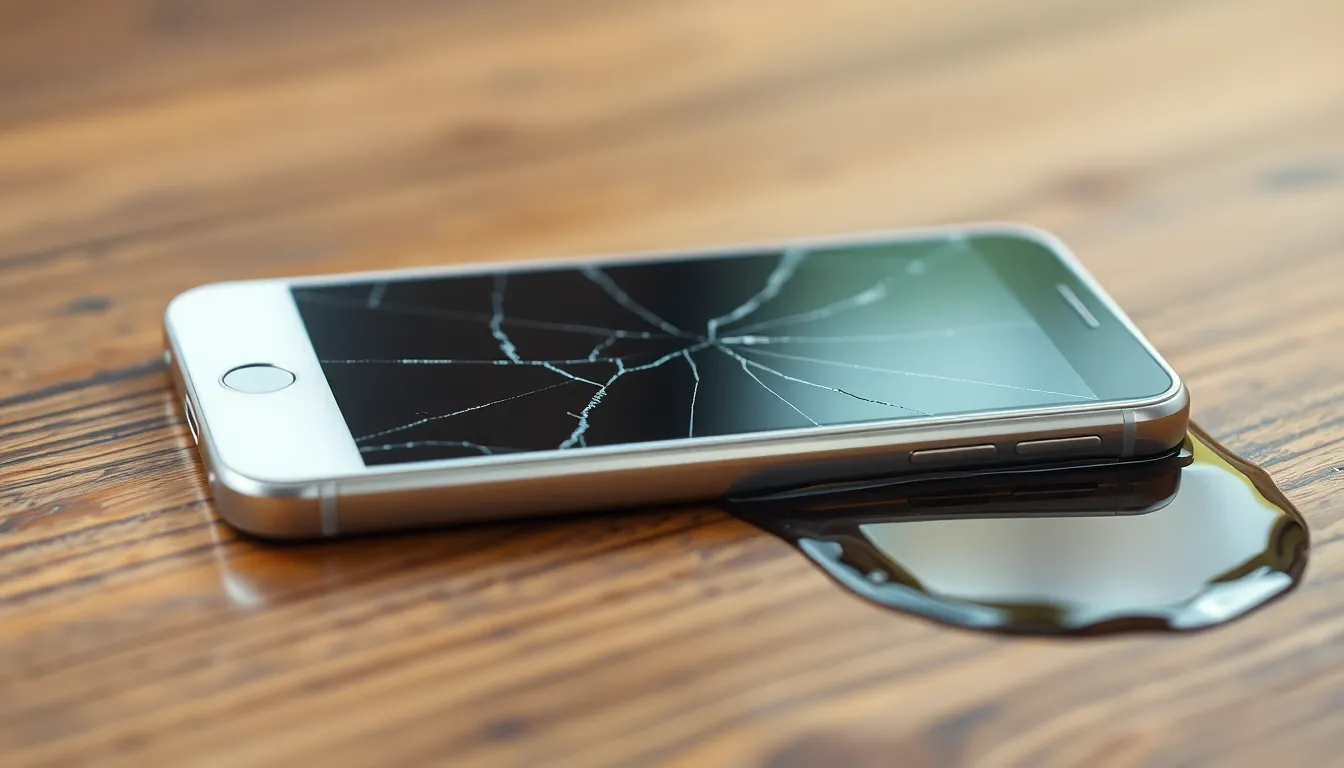
Numerous methods exist to break an iPhone, whether through physical damage or software manipulation. Each approach carries its own set of risks and consequences.
Physical Damage Techniques
Dropping an iPhone from a significant height causes structural damage, potentially leading to non-functioning screens or internal components. Exposing the device to water significantly increases the risk of short-circuiting essential parts. Additionally, applying pressure to the screen or casing may cause severe cracks and malfunctions. Using blunt objects while striking the device can result in shattered glass or compromised internal systems. Purposefully overheating the device, such as placing it near a heat source, can cause battery failure or other hazardous conditions. Each of these techniques often results in costly repairs or replacement.
Software Manipulation
Inserting unauthorized software programs can disrupt system functionality, leading to app crashes or firmware corruption. Implementing custom firmware may void warranties, creating challenges for official support. Users may initiate a factory reset, which erases all data, potentially preventing future access to essential information. Adjusting system settings to extreme levels can cause the operating system to become unstable, leading to persistent crashes. Additionally, jailbreaking the device alters its core security features, making it vulnerable to malicious attacks. These software methods often expose users to data loss and legal consequences while diminishing device functionality.
Preventive Measures To Consider
Users should implement preventive measures to protect their iPhones from damage. Maintaining device integrity offers a safer user experience and helps avoid costly repairs or replacements.
Importance Of Device Protection
Device protection plays a crucial role in preserving both the hardware and software functionality of an iPhone. Utilizing protective cases and screen protectors reduces the chance of physical damage from drops. Keeping devices away from water and extreme temperatures minimizes the risk of liquid damage and overheating, which can lead to permanent issues. Regular software updates enhance security and improve overall performance, preventing vulnerabilities that compromise personal data.
Backup And Security
Backing up data regularly safeguards important information from loss. Using iCloud or iTunes ensures that content remains accessible even when troubleshooting an unresponsive device. Strong passwords and two-factor authentication bolster security against unauthorized access while limiting the impact of vulnerabilities. Avoiding pirated software mitigates risks associated with malware and data theft, thus protecting personal information from exploitation. Keeping sensitive data on the device to a minimum enhances security, making recovery more manageable if issues arise.
Legal Implications Of Breaking An iPhone
Breaking an iPhone may lead to several legal ramifications. Users risk violating warranty agreements when they intentionally damage devices. Warranty voiding can result in substantial out-of-pocket expenses for repairs or replacements.
Repair options become limited with physical and software manipulation. Many manufacturers like Apple enforce strict policies regarding unauthorized repairs. Engaging with third-party repair services often voids warranties, leaving individuals accountable for repair costs.
Data privacy laws come into play when users break their devices. If users have sensitive information on their iPhones, accidental loss or exposure can lead to legal consequences. Data breaches could result in fines, depending on compliance with regulations like GDPR or CCPA.
Liability also factors into device destruction. If users sell or give away broken iPhones, they may face disputes over device condition. New owners might contend that users failed to disclose existing issues.
Negligent acts, such as intentional damage to bypass software security, can invoke legal action. Users could see penalties seeking damages for violations of terms and conditions. Understanding the risks associated with breaking an iPhone maintains compliance with legal requirements.
Consequences arise when dealing with insurance claims. Many policies exclude coverage for devices shown to be purposely damaged. Filing fraudulent claims to recover costs could expose users to legal scrutiny.
Misleading customers with broken devices in resale scenarios might lead to further complications. Courts may view deceptive practices unfavorably, resulting in serious repercussions. Therefore, users should carefully consider the legal implications before attempting to break an iPhone.
Understanding how to break an iPhone can be a double-edged sword. While it may seem like a solution for persistent issues it comes with significant risks. Users must weigh the potential benefits against the dangers of voiding warranties and exposing their devices to further damage.
Prioritizing device care and maintenance is crucial. Simple preventive measures can often resolve issues without resorting to drastic actions. By staying informed and cautious, users can protect their devices and maintain functionality while avoiding the pitfalls associated with intentionally breaking an iPhone.